KERALAM
About Keralam (and why it matters)
Finally, meet the land behind the legends!


I'm Keralam, a 38,863-square-kilometer tropical paradise cradled between the emerald heights of the Western Ghats and the vast Arabian Sea. Born from myth and ancient trade routes, I'm driven by a unique blend of progressive social indicators—boasting a 96.2% literacy rate—and a rich, preserved culture.
I speak Malayalam, a language as rhythmic as my monsoons. With over 35 million people calling me home, I'm growing and adapting to the modern world, yet I'll always remain rooted in the serene backwaters and timeless Ayurveda traditions that define my soul.
My natural and cultural wealth is also globally celebrated. I proudly host multiple UNESCO Heritage recognitions, ranging from the breathtaking biodiversity of the Western Ghats to the 2,000-year-old Koodiyattam theatre.
Ecology has always been my thing—from the lush tea gardens in Munnar to the spice plantations scattered across the Western Ghats. When I'm not hosting global tourists, you'll find me celebrating vibrant festivals like Onam, showcasing intense martial arts like Kalaripayattu, or vibing with the serene rhythms of Kathakali.
Because, at the core of it all, I love helping people find peace, connect with nature, and experience a slower pace of life. When things click, the experience of God's Own Country becomes undeniable.


Spice Trade Emergence
Local tribal chieftains and early communities on the Malabar Coast pioneered the global export of black pepper, cardamom, and cinnamon, establishing Keralam as "the Spice Coast." This attracted maritime traders from ancient Egypt, Greece, Rome, and Arabia.
Learn More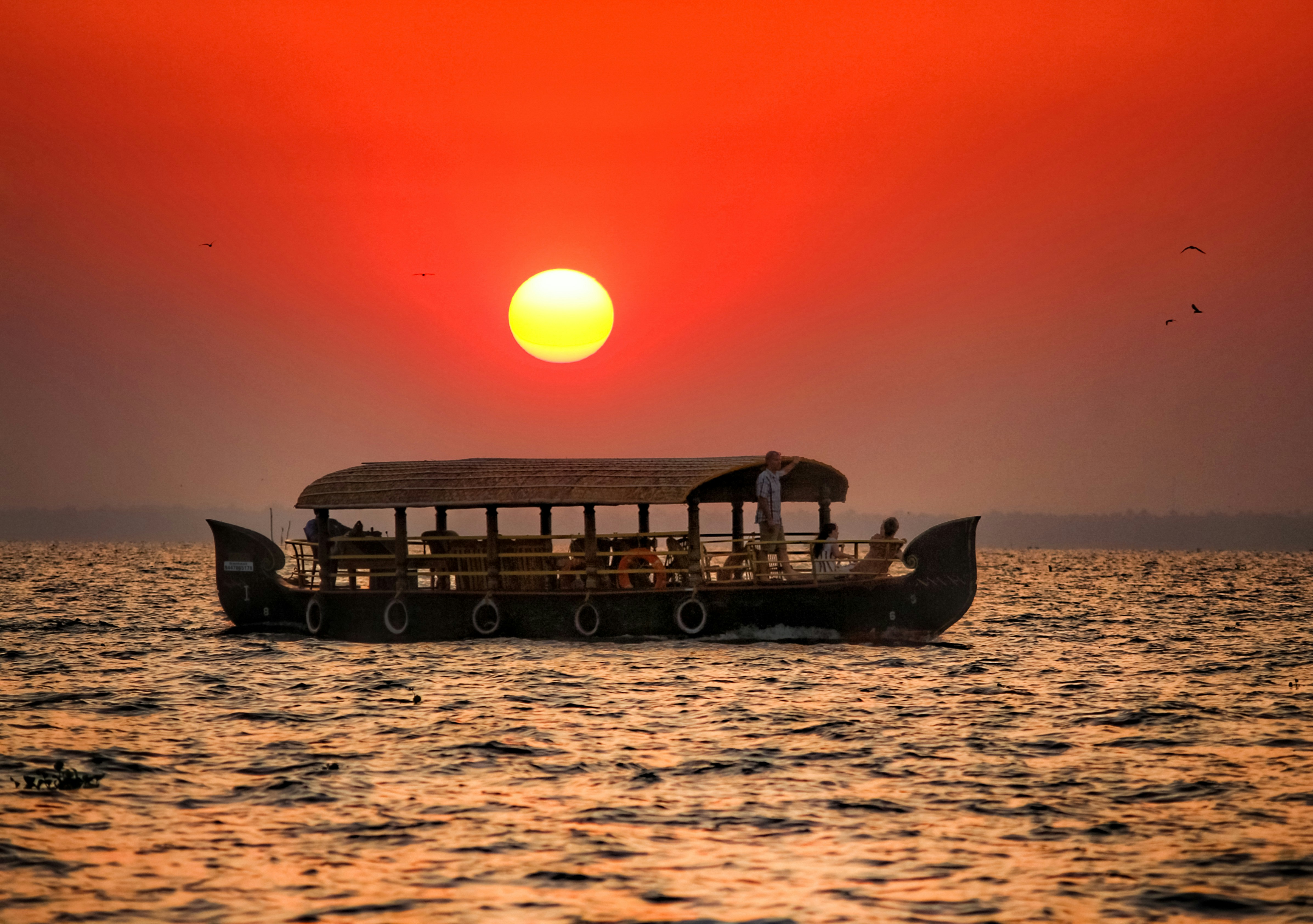
exploration
Must
Visit
Keralam
Discover a curated collection of Keralam's most iconic destinations. Scroll down to explore the beauty of each location at a glance.
MUNNAR
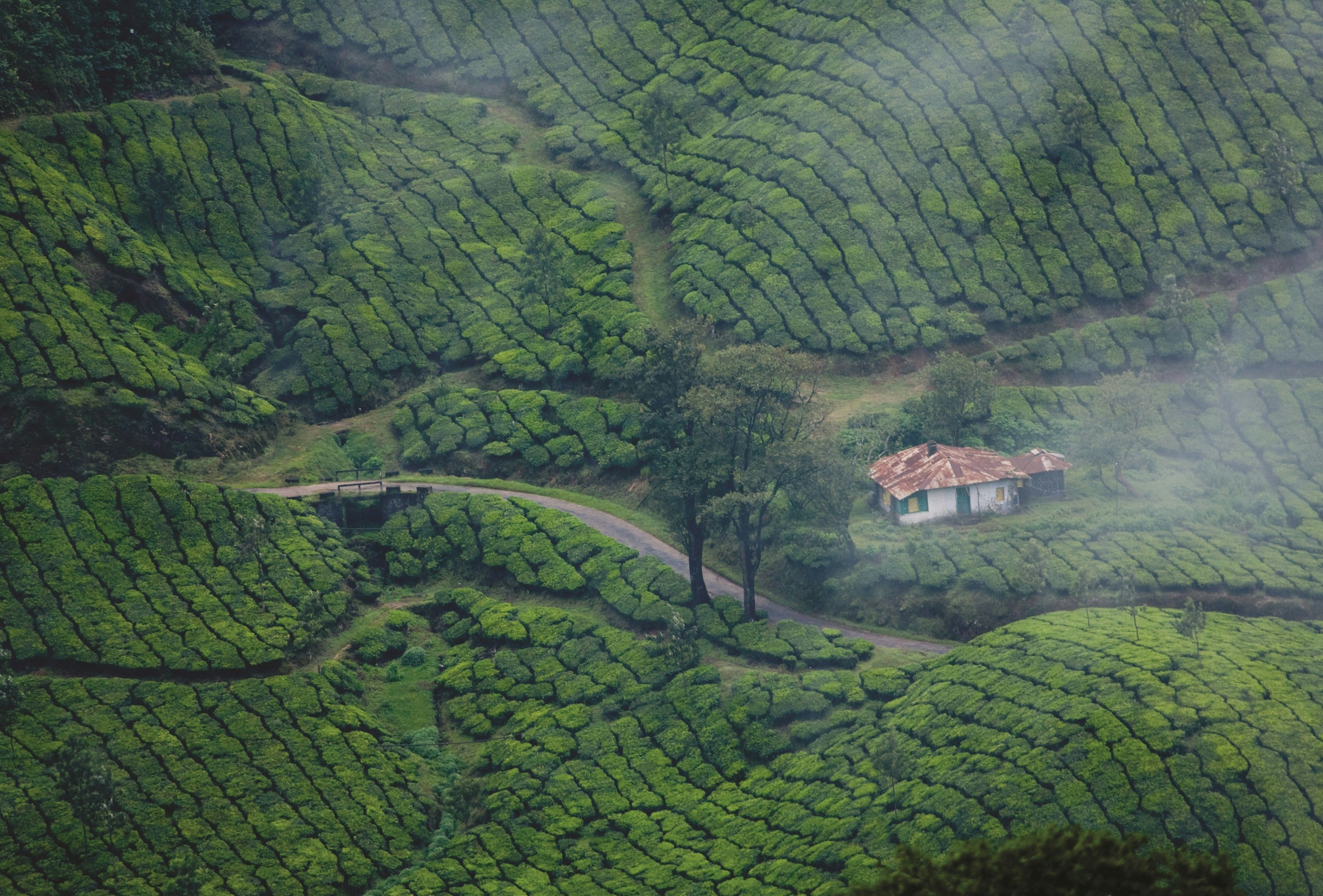
Nestled in the Western Ghats at 1,600m, Munnar is a breathtaking tapestry of rolling tea gardens, mist-covered peaks, and winding lanes. Once a summer resort for the British, it now serves as a haven for nature lovers, offering crisp mountain air and a serene escape into the clouds.
ALAPPUZHA
Renowned as the 'Venice of the East,' Alappuzha is a labyrinth of shimmering backwaters, lagoons, and palm-fringed canals. Living on a traditional wooden houseboat here is a journey through time, where life moves at a peaceful pace amidst emerald-green landscapes.
KOVALAM
Famous for its landmark red-and-white lighthouse and crescent-shaped shores, Kovalam is a world-renowned beach destination. Its shallow waters and low tidal waves make it perfect for swimming, while the palm-fringed coast offers some of the most spectacular sunsets in South India.
THEKKADY
As the gateway to a wilder world, Thekkady is centered around the Periyar National Park. It’s a place where the air smells of cardamom and pepper, and where wild elephant herds can be seen grazing by the banks of the Periyar Lake during a tranquil boat safari.
WAYANAD
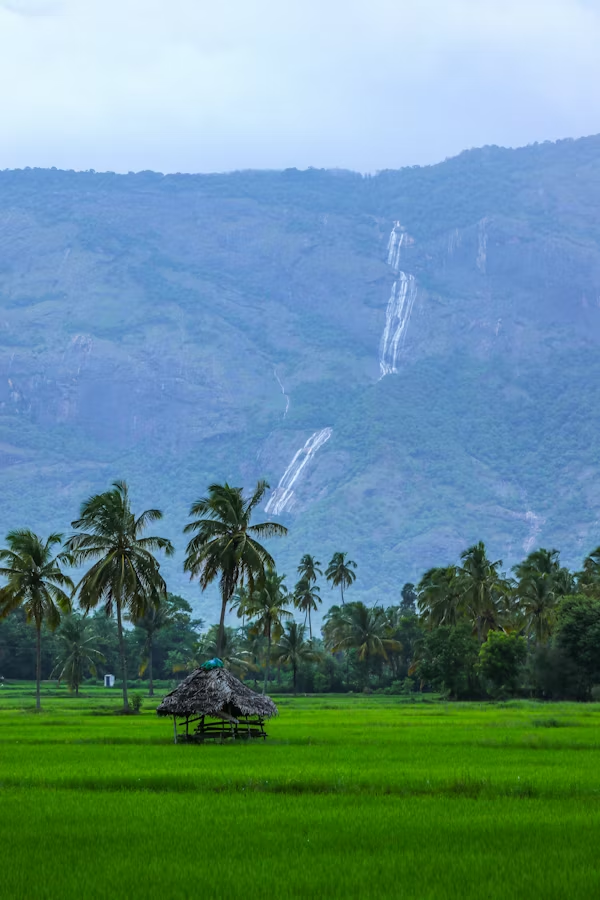
Wayanad is a lush highland where the clouds seem close enough to touch. Known for its prehistoric carvings in the Edakkal Caves, sprawling spice plantations, and misty waterfalls, it offers a raw, untouched experience of the Western Ghats' deep forest reserves.
KOCHI
Kochi is a vibrant crossroads of history and modernity, where giant Chinese fishing nets silhouetted against the sunset meet cobblestone streets and colonial heritage. As a trading port for centuries, its architecture and cuisine tell the rich stories of Arab explorers, Chinese traders, and European settlers.
VARKALA
Perched on spectacular red-laterite cliffs overlooking the Arabian Sea, Varkala is unique among Keralam’s beaches. It is a spiritual and scenic sanctuary where therapeutic mineral springs meet the rhythmic sound of waves, offering a perfect blend of rejuvenation and coastal adventure.
UNESCO Heritage
From ancient forests to unbroken theatrical traditions, explore the treasures of Keralam that have captured global acclaim and protection.

Western Ghats
A majestic, UNESCO-listed mountain range older than the Himalayas. Famous for its high-altitude shola forests, rolling hill stations, and incredibly rich biodiversity.

Koodiyattam
An ancient Sanskrit theatre tradition performed in the historic temples and koothambalams of Keralam. It is the only performing art from Keralam inscribed by UNESCO on the Representative List of the Intangible Cultural Heritage of Humanity, originally proclaimed in 2001 as a Masterpiece.

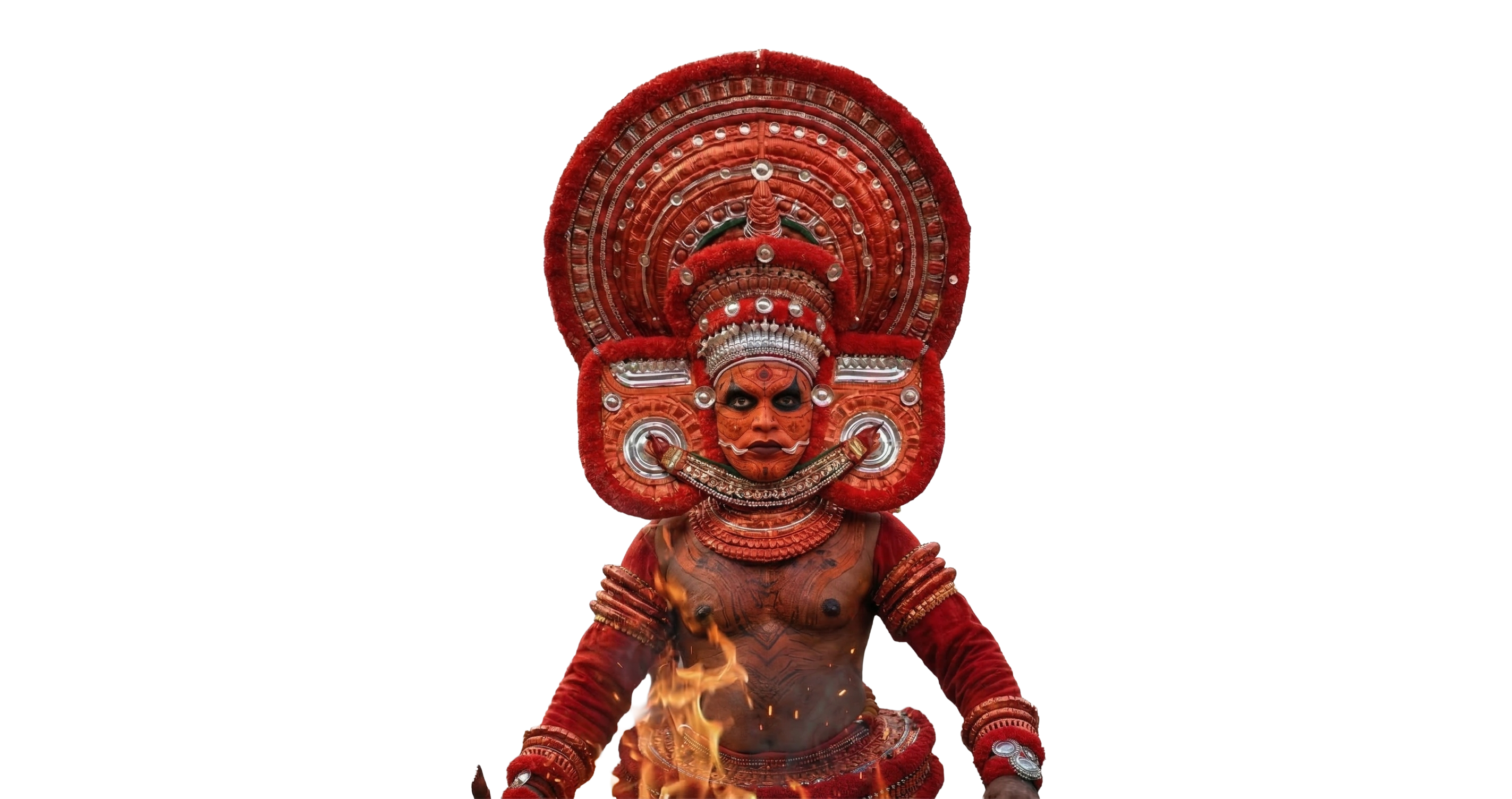
Mudiyettu
A powerful, community-driven ritual theatre and dance-drama depicting the mythological battle between the goddess Kali and the demon Darika, traditionally performed in village shrines.

Kozhikode – City of Literature
Recognized as India's very first UNESCO City of Literature in 2023. Kozhikode earned this title for its deeply rooted reading culture, historic libraries, and vibrant literary publishing scene.

Natural Heritage of Varkala
A spectacular and unique laterite sea cliff formation. It is the only place in southern Keralam where magnificent cliffs are found plunging directly into the Arabian Sea.
Culture & Heritage
Welcome to God's Own Country, where ancient rhythms, farm-to-table culinary scenes, and breathtaking nature intertwine into a single, unforgettable experience.

Kathakali
The King of Performing Arts
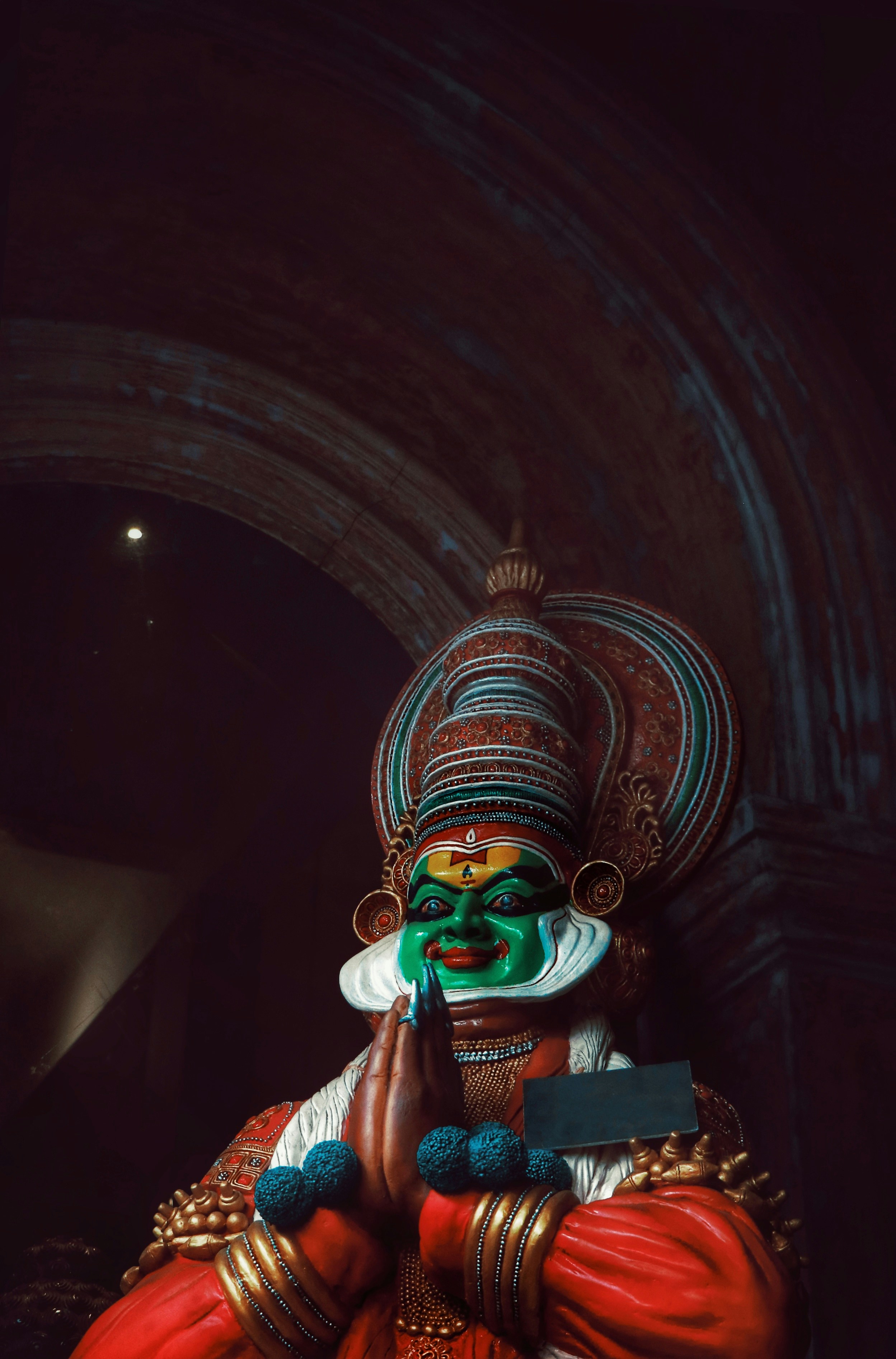
One of India's most elaborate classical dance forms, Kathakali combines dance, music, and acting to narrate stories from Hindu epics. Performers wear vivid face paint and intricate costumes, with years of training required to master an elaborate system of hand gestures and mudras and profound facial expressions.

Kathakali
Classical Dance Drama
One of India's most elaborate classical dance forms, Kathakali combines dance, music, and acting to narrate stories from Hindu epics. Performers wear vivid face paint and intricate costumes, with years of training required to master an elaborate system of hand gestures and mudras and profound facial expressions.
Read on Wikipedia→Unity in Diversity
The true heart of Keralam beats in its collective harmony.
Shared Traditions
For generations, people of many faiths have lived side by side here – visiting each other’s homes, sharing food, learning each other’s songs, and joining each other’s rituals. In quiet lanes and busy markets, friendships cut across religion, caste, and language, proving that harmony is not an abstract ideal but a daily practice. The true strength of Keralam lies in these small, constant acts of respect that rarely make headlines but shape everyday life.
Peaceful Coexistence
Across Keralam, it is common to see a temple, a mosque, and a church within walking distance of each other, their courtyards overlapping with the same streets and the same people. Temple bells, the azaan, and church hymns often rise together into the morning and evening air, creating a soundscape of shared belonging. This easy, unforced coexistence sends a quiet yet powerful message: identity here is not about walls, but about bridges and shared spaces.
Festivals for All
When Onam arrives, homes across religions decorate with pookkalam, families cook the grand Sadya, and entire neighborhoods sit down to eat together on banana leaves. In December, Christmas stars light up streets and shops, and non‑Christian friends join in carols and cake cutting. During Eid, the joy of prayer and feasting overflows to neighbours of every faith, with plates of biryani and sweets passing from house to house. In Keralam, festivals are not just religious dates on a calendar; they are shared seasons of generosity, gratitude, and collective joy.